資料來源#
- A First Measurement Study on Authentication Security in Real-World Remote MCP Servers
- Anthropic's Boris Cherny: Why Coding Is Solved, and What Comes Next
- Building Prod with Jev and LangGraph
- Delegation Without Trust: An Empirical Gap Analysis of Identity, Authorization, and Runtime Governance in Multi-Agent LLM Systems
- How Anthropic's product team moves faster than anyone else | Cat Wu (Head of Product, Claude Code)
- MCP Specification Changelog — 2026-07-28
- OpenID Foundation advances authorization for the agent era with new AuthZEN Working Group Drafts
- The Founder's Playbook: Building an AI-Native Startup
- Zero Trust for AI Agents
摘要#
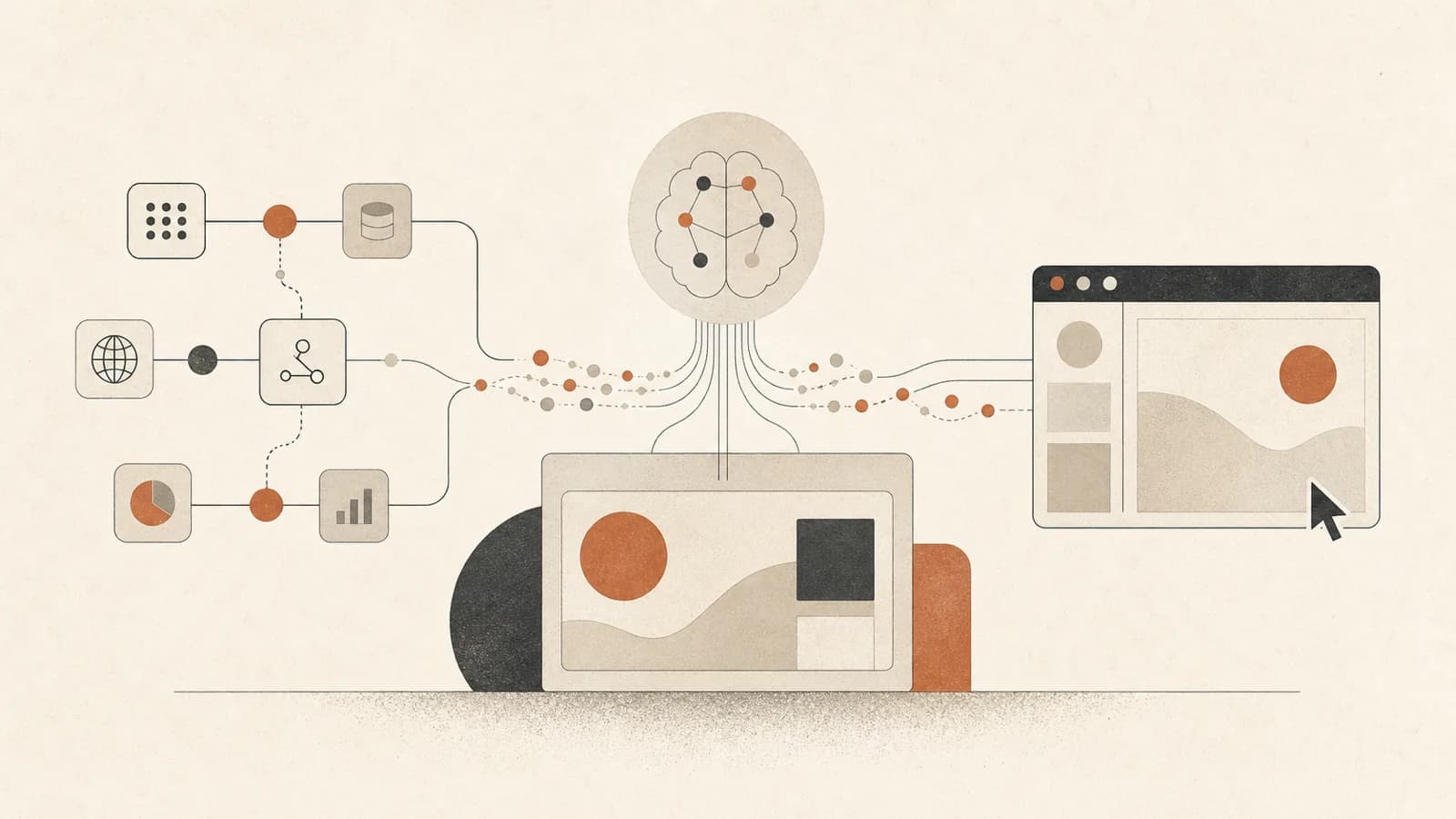
兩種互補機制,讓模型連接外部軟體;兩者都由 Anthropic 打造,都是 Claude Code/Cowork/Chat 產品介面上的關鍵支柱。MCP(Model Context Protocol)提供結構化的程式化存取——「你在 Claude AI 裡用的同一個連接器」可以接上 Salesforce、Google Docs、Google Calendar、Slack、Figma、Gmail,以及愈來愈多利基產業系統。電腦操作則是沒有 MCP 的軟體的通用備援:模型直接操作 GUI(滑鼠、鍵盤、螢幕);速度較慢,但 Opus 4.7 的能力愈來愈好。Boris Cherny 的說法是:「對模型而言,那就只是 tokens」——MCP/API/電腦操作只是實現同一能力、可以互換的底層方式。
MCP 是什麼#
由 Anthropic Labs 於 2024 年底打造,與 Claude Code 和桌面 app 同期推出,出自 Boris 的創始團隊。這是一種採用伺服器-客戶端架構的結構化工具呼叫協定:
- 伺服器——與外部系統(Salesforce、Slack、Gmail、內部 CRM、利基產業 SaaS)一同運作;將可用工具以具型別的函式呼叫形式公開。
- 客戶端——使用這些工具的 Claude 介面(Claude Code、Cowork、Claude AI、第三方代理程式)。
- 各處都用同一組連接器。「你在 Claude AI 裡用的同一個 MCP 連接器,可以接上 Salesforce、Google Docs、Google Calendar。接著 Cowork 可以用,Claude CLI 可以用,Claude Code 到處都可以用。」——Boris Cherny
它的結構性優勢在於:每個系統只需撰寫一次連接器邏輯,就能讓所有 Claude 介面使用。這讓 Cowork 能涵蓋現有的知識工作工具(Salesforce、Docs、Drive、Slack 等),而 Anthropic 不必為每種工具各自打造整合。
協定修訂版 2026-07-28:MCP 改為無狀態#
以上描述的是連接器的模式。本節記錄的是線路協定;直到現在,知識庫對它的追蹤僅止於建構在協定之上的工具能做什麼。修訂版 2026-07-28(MCP Specification Changelog — 2026-07-28)是本文整理的第一個 MCP 規格版本,相較前一版 2025-11-25 有重大變動。
證據層級:
vendor-claim。 規格對於協定要求什麼具有權威性,但除此之外不構成任何證據——不能證明採用情況、任何 SDK 或伺服器是否符合規範,也不能證明特定要求能帶來安全成效。請將以下每一項都理解為「規格現在這麼寫」,而不是「部署環境現在都這麼做」。
工作階段已移除。 Streamable HTTP 不再有協定層級的工作階段,Mcp-Session-Id 標頭也已移除;initialize/notifications/initialized 交握則直接刪除(SEP-2567、SEP-2575)。tools/list、resources/list 和 prompts/list 不再依連線而異;需要跨呼叫狀態的伺服器必須產生明確的控制代碼,並像一般工具引數一樣傳遞。MCP 現在從設計上就是無狀態的。
版本協商從每個工作階段一次,改成每個請求一次。 每個請求都會在 _meta 中攜帶 io.modelcontextprotocol/protocolVersion 和 io.modelcontextprotocol/clientCapabilities;客戶端 SHOULD 在每個請求中傳送 clientInfo,伺服器 SHOULD 在每個結果的 _meta 中回傳 serverInfo;若版本不符,則回傳 UnsupportedProtocolVersionError。新增的 server/discover RPC 是伺服器 MUST 實作、客戶端 MAY 呼叫的功能,可事先公告支援的版本、能力和身分,也可在 STDIO 上作為向下相容性探測。
伺服器不能再主動發起請求。 Multi Round-Trip Requests(MRTR,SEP-2322)取代所有伺服器發起的請求:roots/list、sampling/createMessage、elicitation/create。需要更多輸入時,伺服器會回傳帶有 inputRequests 的 InputRequiredResult(resultType: "input_required");客戶端在重試原始請求時提供 inputResponses。現在所有結果都必須帶有 resultType;較早協定版本的伺服器若省略此欄位,其結果 MUST 視為 "complete"。變更通知改由單一、須明確訂閱的長效 subscriptions/listen 串流傳遞(取代 HTTP GET 端點和 resources/subscribe);像 notifications/progress 這類請求範圍內的通知,仍會沿用各自請求的回應串流。
快取成為契約的一部分。 tools/list、prompts/list、resources/list、resources/read 和 resources/templates/list 的結果現在 MUST 透過新的 CacheableResult 介面帶有 ttlMs(新鮮度提示)和 cacheScope("public"/"private");伺服器 SHOULD 以確定性順序回傳工具。變更紀錄給出的理由是客戶端快取與 LLM prompt-cache 命中率,而非安全性。不過,這些變更仍會產生安全層面的副作用;詳見 MCP Tool Poisoning。
功能生命週期:首份具日期的能力登錄表#
此修訂版採用功能生命週期與棄用政策——Active/Deprecated/Removed 狀態、至少十二個月的棄用期,以及一份已棄用功能登錄表(本次修訂版的主要變更中,只有這項有自己的規格頁)。這份登錄表讓協定能力終於有了可追溯的日期:在此之前,若不比較 schema,就無從回答「這還屬於 MCP 嗎?」
| 能力 | 截至 2026-07-28 的狀態 | 規格列出的遷移方式 |
|---|---|---|
initialize/notifications/initialized 交握 | 已移除 | 每個請求的 _meta 版本+server/discover |
協定層級工作階段、Mcp-Session-Id | 已移除 | 伺服器產生的控制代碼作為工具引數 |
ping、logging/setLevel、notifications/roots/list_changed | 已移除 | 每個請求的 io.modelcontextprotocol/logLevel |
SSE 可續傳性/Last-Event-ID 重新傳送 | 已移除 | 以新的 ID 重新送出請求 |
伺服器發起的請求(roots/list、sampling/createMessage、elicitation/create) | 已移除 | MRTR InputRequiredResult |
| Tasks | 移出核心 | 官方 io.modelcontextprotocol/tasks 擴充功能 |
| Roots、Sampling、Logging | 已棄用(≥12 個月期限) | 工具參數/資源 URI;直接使用 LLM 供應商 API;stderr 或 OpenTelemetry |
| HTTP+SSE 傳輸 | 已棄用(自 2025-03-26 起軟性棄用) | Streamable HTTP |
includeContext: "thisServer"/"allServers" | 已棄用 | 省略,或使用 "none" |
| OAuth 2.0 Dynamic Client Registration(RFC 7591) | 已棄用 | Client ID Metadata Documents |
其他較小的新變更包括:客戶端/伺服器能力新增 extensions 欄位;_meta 的 OpenTelemetry trace-context 慣例(traceparent、tracestate、baggage);Streamable HTTP POSTs 必須帶有 Mcp-Method/Mcp-Name 標頭,另新增供工具參數提供自訂標頭的 x-mcp-header;inputSchema/outputSchema 放寬對 JSON Schema 2020-12 的支援;錯誤碼配置政策將 JSON-RPC 伺服器錯誤範圍(-32020–-32099)保留給規格使用;以及採 PR 為基礎的 SEP 流程,搭配 seps/ markdown 檔案。
授權:規格選擇 CIMD 而非 DCR#
四項小幅變更讓 MCP 的授權層與 Agent Identity and Authentication 和 AIMS 已涵蓋的內容接軌:授權伺服器 SHOULD 依 RFC 9207 納入 iss,而客戶端 MUST 在兌換授權碼前,依已記錄的 issuer 驗證它;客戶端憑證 MUST 以 issuer identifier 為索引,MUST NOT 在不同授權伺服器之間重複使用,且授權伺服器(AS)變更時 MUST 重新註冊;DCR 必須明確指定 application_type;此外,RFC 7591 Dynamic Client Registration 已棄用,改用 Client ID Metadata Documents。CIMD 是 AIMS §10.10 在 Discovery 項目下已列出的基本機制——因此,一個正式發布的協定和一份標準草案各自獨立地趨同採用它,這是該頁面所提多方治理問題的一項實際(雖然範圍有限)證據。
對照八項要求框架檢視此設定檔涵蓋的範圍(2026-08)#
上方登錄表記錄了哪些內容變了;一個月後發表的差距分析則記錄了此設定檔涵蓋到哪裡。Dantuluri 與 Sundi(Delegation Without Trust: An Empirical Gap Analysis of Identity, Authorization, and Runtime Governance in Multi-Agent LLM Systems,arXiv 2609.00267,empirical——VotalAI COI;此處是規格解讀,不是執行測試;完整討論見 AIMS)依八項受治理多代理程式委派要求,評估四種代理程式執行環境;MCP authz rev. 2026-07-28 是四者中唯一在任何項目上得分的方案——LangGraph 1.2.10、CrewAI 1.15.13 和 AutoGen 0.7.5 八項要求全都未提供。此設定檔提供的內容:
- **Mandatory Resource Indicators(RFC 8707)**會將每個 token 的受眾限制在特定伺服器,避免跨伺服器重複使用 token——在 token 竊取/重播以及傳送者約束憑證兩項上可獲部分分數。
- OAuth 2.1 資源伺服器模型會在客戶端模型之外驗證 token——論文稱為關鍵要求的項目(「如果由模型控管存取權,遭劫持的模型就能取得存取權」),此處透過結構設計而非依賴意圖來滿足。
- 短效 token 和撤銷是 OAuth 的內建能力。
它沒有提供的內容,也是評分為部分滿足而非已緩解的原因:沒有逐跳權限收斂——設定檔中的任何內容都無法讓委派代理程式為子代理程式簽發權限範圍嚴格更窄的 token;也沒有跨代理程式委派來源資訊,所以代理程式對代理程式的鏈結沒有可追溯至人類授權的密碼學記錄。兩者都是代理程式彼此互動時的屬性,而 MCP 的授權模型是客戶端↔伺服器模型;論文更廣泛的主張是,目前沒有任何標準設定檔能在每一跳同時組合權限收斂、工作負載綁定、短效期限和模型外執行。作者指出,MCP 對應欄位最可能過時:「尤其應該重新對照目前的授權規格檢查 MCP 欄位。」
大規模部署的補充資料:第三方且尚未在此交叉驗證。 同一篇論文引用 Zhou 等人(arXiv 2605.22333)對 7,973 個線上遠端 MCP 伺服器所做的認證測量:超過 40% 的伺服器在完全沒有認證的情況下公開工具,而受測的 119 個啟用 OAuth 的伺服器,每個至少都有一項認證缺陷。這是對部署環境的測量,不是規格測量;本知識庫尚未納入原始研究——請標示為轉述。(A First Measurement Study on Authentication Security in Real-World Remote MCP Servers 已於 2026-09-02 納入並完成第一手確認上述三項數字——7,973 個伺服器、40.55% 未經認證、119/119 有缺陷,共確認 325 個實例。二手轉述的數字準確;此處更新僅因轉述時遺漏了一項限定條件,詳見下文。完整討論:Remote MCP Authentication in the Wild。)合併來看,兩項結果說明不同的問題,而且都很重要:即使完美實作,規格仍無法治理委派;而實際上,規格也經常沒有被實作。
第一手檢視,以及轉述遺漏的限定條件。 Zhou 等人(復旦大學;一位作者任職於中南大學,arXiv 2605.22333,投稿日期 2026-05-21,empirical,無 COI)現已納入;Remote MCP Authentication in the Wild 詳列普查結果、九項缺陷分類、偵測器及三條已揭露的接管鏈。就上方登錄表而言,此處關鍵內容如下:
- 119 個並不是「啟用 OAuth 的伺服器」。 OAuth 啟用伺服器共有 2,428 個,其中 **1,118 個(46.0%)**公告了 DCR
registration_endpoint;119 個則是這個子集合中可進行端到端測試的樣本,並已排除重複、無效、無法測試和異常節點。因此,「每個受測的啟用 OAuth 伺服器都有缺陷」雖然正確,但涵蓋範圍比這句話聽起來窄——而 C1 的 96.6% 按照研究設計,是以存在註冊端點為前提。(論文的 Discussion 也反向犯了相同錯誤,聲稱「所有 1,118 個啟用 OAuth 的伺服器都公告了registration_endpoint」;Finding 2.1 和 Table 3 顯示實際比例是 46.0%。) - 登錄表中的 DCR 棄用,是針對一個連前一版修訂都未採用的母體進行衡量。 論文的規格時間線只到 2025-11-25——當時偏好 CIMD,DCR 則保留為向下相容的備援——這是這批伺服器建置時可能依循的最新要求。119 個受測伺服器中,有 114 個(95.8%)允許匿名註冊者在 DCR 端點使用任意
redirect_uri;另有 81 個(68.1%)接受缺少code_challenge或使用plain的授權請求,使開放客戶端 MCP 依賴的 PKCE 失效。研究列出的九個 CVE 中,有七個都來自這一項 DCR 缺陷。 - 論文提出的首要緩解方案,正是 rev. 2026-07-28 後來採取的作法。 §6.2 建議規格將 DCR redirect URI 限制和 PKCE 強制執行提升為 MUST 級要求,並將 CIMD 排在 DCR 之前;投稿兩個月後,上述修訂版直接棄用 RFC 7591 DCR,改用 Client ID Metadata Documents。這是真正的趨同——但普查結果提醒我們,不能因此就認定問題已解決:修訂版改變了符合規範的定義,不會改變 1,118 個正在運作的註冊端點。
- OAuth 層以下:7,973 個伺服器中有 40.55%(3,233 個)在完全沒有認證機制的情況下公開工具,另有 29.00% 使用靜態 token 或 API 金鑰。下方「MCP 作為安全攻擊面」一節假設客戶端已通過邊界;但五分之二的線上遠端伺服器根本沒有邊界。
這項修訂版「沒有」改變什麼#
此修訂版並未處理工具回傳內容、工具行為完整性或伺服器撤銷問題。已棄用功能登錄表追蹤的是規格功能,不是伺服器或工具——它不是撤銷清單,而且修訂版沒有要求客戶端重新驗證已信任的工具。包括此修訂版意外帶來的一項便利在內,其安全影響詳見 MCP Tool Poisoning。
什麼是電腦操作#
MCP 不可用時的通用 GUI 操作備援。模型查看螢幕截圖,決定要點擊、輸入或捲動什麼,再透過無障礙功能/自動化 API 執行。可操作「你電腦上幾乎任何軟體」(Boris Cherny)。
Opus 4.7 的現況:
- 品質——「相當不錯……現在做得很好,尤其是 4.7」(Boris)。Anthropic「在電腦操作方面確實遙遙領先」。
- 延遲——「非常慢」。完成同一項任務比 MCP 消耗更多 tokens,因為每次操作都需要螢幕截圖往返。
- 涵蓋範圍——通用。目標軟體沒有 API、沒有 MCP、沒有 Python 程式庫時,電腦操作就會派上用場——也就是唯一介面是面向人類的 UI 時。
現今 Cowork 是電腦操作最重要的部署介面:許多知識工作 app 缺乏程式化介面。
延遲可以由模型以外的機制處理(2026-09)。 Browserbase 重建 Stagehand 的 act(),讓瀏覽器自動化首次從結構上解決「非常慢」的問題,而非依賴更快的模型。系統會列舉頁面上的互動元素,再由一個便宜的具型別決策模型(Jev)選取動作和目標;信心低於 0.7 時則改用 LLM 備援:act() 中位延遲從 1.97 秒降至 0.46 秒(Browserbase 早期測試,由 LangChain 的 Jev 文章二手轉述,vendor-claim;未提供成功率)。此方法處理的是由 DOM 標記的元素,而非螢幕截圖,因此它更接近頁面的協定檢視,而非像素層級的電腦操作——這是從 Reasoning–Acting Interleaving (ReAct) 延伸出的列舉動作做法。
「不重要」論點#
Boris 對 MCP 與 API、電腦操作之間差異的說法:
「這些事情都沒那麼重要。它可以是 MCP、API,或某種程式化存取方式,因為模型不在乎。對模型而言,那就只是 tokens。」
底層方式可以互換——關鍵工作是「以模型能消化的形式,把能力提供給模型」。MCP 追求結構化/快速/低成本;電腦操作追求通用/備援/速度較慢。兩者最後都可歸結為 token 層級的工具呼叫。
這與 The Bitter Lesson 相呼應:模型愈進步,「使用 MCP」或「使用電腦操作」就愈應該由模型決定,而非由人類設計的 harness 決定。Boris 對未來幾年的預測:
- 「模型會負責所有程式碼。它會啟動代理程式,也會建構環境。」——想必也包括挑選呼叫工具的適當底層方式。
- 他特別指出電腦操作這個產品領域「會進步很多」。
實際應用中的跨介面使用情況#
| 介面 | MCP 範例 | 電腦操作範例 |
|---|---|---|
| Claude Code(CLI) | GitHub、檔案系統、Slack | 少見——工程工具通常有 CLI/API |
| Cowork | Salesforce、Google Drive/Docs/Calendar、Gmail、Slack、Figma | 沒有 MCP 的軟體,尤其是知識工作 app |
| Claude AI(聊天) | 同一組連接器 | 可使用電腦操作 |
| 行動/網頁 | 同一套 MCP 基礎架構 | 瀏覽器端操作,須有螢幕分享權限 |
Cat Wu 每晚製作投影片的工作流程(Cowork)明確使用 MCP——Figma MCP、Slack MCP、Drive MCP——而非電腦操作,因為想在早上前完成的工作流程無法負擔其延遲成本。
《創辦人手冊》中的應用(AI-Native Startup Lifecycle)#
這本手冊將 MCP 視為每個階段的主要整合機制:
- 構想階段——Cowork 使用 Gmail 和 Google Calendar MCP 管理聯繫對話、安排客戶訪談、執行第七天的後續跟進。
- MVP 階段——「構想階段用來管理探索流程的同一批 MCP 整合也適用於此」,可用來安排回饋會議、分類錯誤回報、追蹤迭代週期。
- 擴展階段——與競爭者聞所未聞的利基產業系統整合 MCP,被列為護城河的一部分(例如,通用醫療帳務 AI 會在 340B 藥品計畫申報時出錯;垂直領域專業競爭者的 MCP 已接妥該系統)。
手冊中的兩個案例具體說明了 MCP 作為護城河的作用:
- Kindora 推出 MCP 連接器,讓非營利組織可以直接在 Claude 內部使用它的潛在客戶開發工具——使用者透過 MCP 使用產品,而非只是讓產品整合 MCP。
- 手冊將 Anthropic Skills 視為編碼重複工作流程的介面(「如何審核商用租約」、「如何分類病患初診表」)——Skills、MCP 和記憶共同構成 Compounding Data Moat 所描述的專有基礎。
手冊本身較少提及電腦操作,但將 Cowork 定位為貫穿「每個階段」的營運層;Cowork 正是用電腦操作填補 MCP 涵蓋不到之處的介面。
與 harness 縮減的關係#
Harness Shrinkage as Models Improve 預測,隨著模型進步,提示詞鷹架、權限和驗證邏輯會逐漸內化。MCP 和電腦操作則位於 harness 的另一側:它們是模型與外界之間的連接器。它們不會縮減,而會變得更廣泛(連接更多系統、支援更多介面)且更快速(每次操作的延遲降低)。縮減的是模型周圍用來處理工具選擇決策的 harness,而不是工具組本身。
值得注意的是,模型愈來愈擅長判斷何時使用電腦操作、何時要求真正的 MCP,今天許多手動撰寫 MCP 伺服器的工作可能會變成「請模型建立所需的連接器」。這仍不是 harness,而更像是由模型撰寫的基礎架構。
與 Agentic Misalignment (AM) 和問責的關係#
MCP 和電腦操作正是讓 LLM 成為能採取重大行動的代理程式的底層機制。兩者都讓模型得以觸及:
- 客戶的 CRM
- 客戶的電子郵件
- 客戶的行事曆
- 最終,客戶的整個桌面環境
Human-AI Accountability Redesign 的「決策權」子領域正是管理這些問題:代理程式透過 MCP/電腦操作可以自主做哪些事,哪些事需要明確的人類核准。Claude Code Auto Mode 是一個具體例子:分類器會自動核准安全的 MCP/工具呼叫,並封鎖高風險呼叫。
MCP 作為安全攻擊面#
Zero Trust for AI Agents 將 MCP 視為代理程式部署中風險最高的工具介面之一,並提供早期來源缺少的具體威脅資料:
- 工具中毒——攻擊者竄改 MCP 工具描述、schema 或中繼資料,誘使代理程式依據偽造的能力呼叫工具;惡意工具可以在中繼資料中藏入指令,暗中外洩資料。
- 暗中掉包——合法工具被悄悄替換成惡意版本。第一個有紀錄的野外惡意 MCP 伺服器冒充合法電子郵件服務,並暗中複製所有寄出的郵件——這正是「攻擊面隨採用率擴大」疑慮的具體案例。
- 工具串接——把合法工具(內部 CRM+外部電子郵件)串成單獨使用時都不會造成危害的序列;因為每次呼叫都透過受信任的二進位檔和有效憑證執行,主機層監控不會發現惡意程式。這正是 Least Agency(限制各工具的能力)和參數驗證要控制的風險。
該框架的建議包括:先驗證並自行簽署程式碼,再於不可變平台上自行執行/託管 MCP 伺服器(Agent Supply Chain Risk);使用綁定呼叫代理程式身分的短效 token驗證工具存取,絕不使用靜態 API 金鑰(Agent Identity and Authentication);並在高風險呼叫前設置逐級核准機制。Claude Code 使用 OAuth 2.0 搭配 MCP 連線自動更新,以及依工作階段設定的「詢問」權限,被列為參考實作。
MCP Tool Poisoning(專門討論此攻擊類別的概念頁)以實證進一步釐清威脅模型。ShareLock(Liu 等人,arXiv 2606.27027)證明,逐一掃描每個 MCP 工具描述——上述建議和下方開放問題暗示的直覺緩解方式——不只是有缺口,而是可證明不足:它利用 Shamir 門檻秘密分享,將惡意指令切碎,分散到多個工具中,以看似無害的 tool_id/checksum 分享片段呈現;因此每個描述在資訊理論上都乾淨無害(少於 t 個分享片段不會洩漏任何資訊)。接著,伺服器更新時再透過暗中掉包植入觸發條件,在執行時重建內容——ASR 超過 90%,同時每個 LLM 安全分類器和熵偵測器都將工具評為 Safe。偵測必須跨工具並保留狀態;只審查個別伺服器不足以消除風險。
另一側的一起真實事件,則排除了另一種緩解方式。Agentjacking(Tenet Security,2026 年 6 月,case-study;亦見 MCP Tool Poisoning)透過完全合法的 MCP 伺服器——Sentry 自家的伺服器——劫持程式碼代理程式:攻擊者利用公開、刻意設計為僅能寫入的 Sentry DSN 注入偽造錯誤事件;伺服器忠實地將這些事件作為受信任的診斷資訊轉送給代理程式;代理程式讀到偽造的 ## Resolution,便執行攻擊者的 npx 命令。這一節要指出的教訓很明確:審查 MCP 伺服器或自行簽署都無法避免此事,因為伺服器根本沒有遭到入侵。 ShareLock 攻破的是逐一掃描工具描述;Agentjacking 利用的則是合法伺服器傳來的資料。兩者合在一起,顯示 MCP 攻擊面有兩條正交路徑——遭污染的工具中繼資料,以及透過合法伺服器傳送的惡意資料——而且「自行執行/驗證伺服器」都無法封住這兩條路。(供應商 COI:Tenet 的業務是代理程式執行環境安全,因此其規模主張只在專頁內標示來源;機制本身才是重要而持久的部分。)
工具呼叫點的標準化防禦。 這些攻擊所推動的行動層授權,現在正邁向互通標準。OpenID Foundation 的 AuthZEN Working Group 已核准 COAZ(AuthZEN Profile for MCP Tool Authorization,Working Group Draft,2026-06-15),將 MCP 工具呼叫映射到 AuthZEN 的 Subject-Action-Resource-Context 決策模型,讓 API/AI gateway 或下游 PDP 能依據政策逐次授權工具呼叫——使 MCP 工具可以公開呼叫它所需的授權檢查項目。這是標準組織版本的逐次呼叫授權閘門(ScopeGate、aiAuthZ)——詳見 AIMS。適用範圍的限制在於:COAZ 授權的是呼叫,所以能限制不符政策的重建或注入行動;但和每種價值閘門一樣,它無法攔下仍在允許政策範圍內的遭污染呼叫(同樣無法處理合法可變資料遭破壞的殘餘風險,也無法處理 Agentjacking 透過允許套件執行符合能力範圍的 npx 命令案例)。這仍是提議中的標準,屬於 practitioner-opinion——權重低於實證的逐次呼叫授權研究;完整討論見 AIMS。
相關連結#
-
Harness Configuration Defects——MCP 沒有 lockfile:2,660 個公開程式碼代理程式設定中,有 9.8% 宣告的伺服器使用
npx -y @scope/server(或未標記版本的uvx/docker);供應商文件本身也示範了這種模式,因此工作階段啟動時,實際執行的伺服器取決於 registry 當下提供什麼。論文建議 MCP 專案和客戶端採用含摘要值的已解析清單 -
Claude Code/Cowork/Anthropic——產品介面與供應商
-
Harness Build-vs-Buy——OpenHands 客製化階梯的第 2 階:MCP 工具伺服器將內部系統整合保留在代理程式之外,因此升級上游版本時不必將整合重新套用到 fork 上
-
Zero Trust for AI Agents——將 MCP 視為高風險工具介面;提供工具中毒/暗中掉包/工具串接的威脅模型
-
MCP Tool Poisoning——專門討論 TPA 攻擊類別;ShareLock 的門檻秘密分享變體證明,逐一掃描工具描述在資訊理論上盲目無效;其 Agentjacking 案例研究(合法 Sentry MCP 伺服器轉送攻擊者注入的資料)則證明審查伺服器/自行簽署同樣無法察覺——兩者分別從不同角度深化此頁對 MCP 安全的開放問題。該頁也解讀了上文的 2026-07-28 修訂版:逐請求檢查針對的是協定版本,不是工具行為;唯一真正改變暗中掉包風險的項目,是新快取欄位帶來的副作用
-
Codex App Server Protocol——可比較的協定,如今在有狀態特性上出現分歧:App Server 保留了
initialize/initialized交握、thread_id延續性與工作階段生命週期,MCP 2026-07-28 則刪除了這些項目;因此,工具平面/工作階段平面的分工,成為 MCP 規格明確表達的立場,而非從實務觀察出的分工 -
Agent Supply Chain Risk——MCP 伺服器是明確列出的工具供應鏈攻擊途徑;自行執行伺服器並自行簽署是緩解方式;ShareLock 透過伺服器更新植入重建觸發條件,構成暗中掉包
-
Agent Identity and Authentication——短效、與身分綁定的 token 取代靜態金鑰,用於 MCP/工具認證
-
Remote MCP Authentication in the Wild——本頁協定登錄表的部署面對照:普查 7,973 個線上遠端 MCP 伺服器,發現 40.55% 完全沒有認證;啟用 OAuth 的伺服器中有 46.0% 仍公告 DCR
registration_endpoint;所有 119 個可進行端到端測試的 OAuth 部署,至少都帶有一項認證缺陷(325 個實例、9 個 CVE)。規格說明符合規範的定義;該頁說明實際運作中的情況 -
Agentic Prompt Injection——連接 MCP 的瀏覽、電子郵件和文件工具都是間接注入的入口
-
Boris Cherny——共同創造 MCP;提出「不重要」論點
-
Cat Wu——說明每日使用 MCP 的情形和 Cowork 整合故事
-
Harness Shrinkage as Models Improve——不會縮減的部分;互補性基礎架構
-
The Bitter Lesson——由模型決定底層介面方式,是 Bitter Lesson 的終點
-
AI-Native Startup Lifecycle——創辦人的四個階段都使用 MCP
-
Compounding Data Moat——Skills、MCP 和記憶共同構成護城河基礎
-
Claude Code Auto Mode——工具使用的決策權閘門
-
Claude Code Best Practices——以 MCP 為基礎的擴充功能是「擴展模式」的一種機制
-
Agentic Misalignment (AM)——MCP/電腦操作構成行動介面;代理程式觸及範圍愈廣,風險愈高
-
Human-AI Accountability Redesign——管理 MCP/電腦操作部署的治理層
-
Agent Harness Engineering——區分 MCP 作為連接器與 harness 作為鷹架
-
Hermes Agent——使用 MCP 的第三方代理程式產品(在 Claude Code Best Practices 的跨工具能力表中提及)
-
Symphony——另一種編排方式,讓類似 MCP 的工具透過 codex-app-server-protocol 暴露
-
Agentic Work Systematization——外掛會將 MCP/連接器整合與技能一起打包;連接器是系統化的工具觸及部分(接觸實際工具的迴圈,而不只接觸檔案系統)
-
Agent-Native Infrastructure——MCP 讓服務變得可供代理程式理解(結構化);電腦操作則是 GUI 備援——兩者共同構成 Karpathy 所說「優先為代理程式描述服務」的世界所需的基礎
-
Agent Identity Management System (AIMS)——AIMS 將 MCP 工具視為 OAuth 授權的資源介面,並讓自身的人類介入模型與 MCP 的使用者徵詢模式一致;但它強調,本機 MCP 核准不等於授權,必須對應到可驗證的授權伺服器授權;現在也收錄了 OpenID AuthZEN COAZ 草案(逐次授權 MCP 工具呼叫的提議標準,MCP→SARC)和 AARP(先決/核准的「尚未」步驟)
-
Loop Engineering——連接器/外掛(MCP)是五種基本元件之一:它讓迴圈能在你的真實工具裡採取行動(開啟 PR、更新工單、在頻道發訊息),不只查看檔案系統
-
Reasoning–Acting Interleaving (ReAct)——提示詞時代對同一問題的解法,而具型別工具 schema 也能解決這個問題。CS329A 第 4 堂課介紹,讓生成動作可執行的方法是在提示詞中列出合法動作,並將選擇表述為分類;這在動作空間大到無法放進 context 之前都行得通
-
Guarantees That Degrade at Deployment: Action-Space Soundness, Admissibility Without Effect, and a Vendor-Coupled Security Framework——說明協定層如何落在重新配置後的動作列舉保證之上:修訂版 2026-07-28 強制要求
server/discover、確定性工具排序及必要的ttlMs/cacheScope,讓列舉工作從提示詞移交給機器維護,但它們管的是列出項目而非准入;而規格只對協定要求提供vendor-claim證據,其他事項一概無從佐證
開放問題#
- MCP 生態系統的成長速度與電腦操作的品質曲線相比如何:電腦操作要到什麼時候才會夠好,使建立 MCP 伺服器的邊際價值降低?Boris 暗示還要好幾年,但沒有量化。
- 電腦操作是可持續的介面,還是過渡技術?如果大多數知識工作軟體在未來 24 個月內加入 MCP 支援,電腦操作的作用就會縮減至舊版/僅限桌面系統。
- MCP 安全模型:手冊建議獨立創辦人將 MCP 接上 Salesforce、Gmail 和 Calendar,攻擊面也會隨採用而擴大。Zero Trust for AI Agents(工具中毒、暗中掉包、第一個野外惡意 MCP 伺服器)已部分回答此問題——詳見上方「MCP 作為安全攻擊面」。尚未解決的問題是:MCP 吸引人的地方是無需整合成本,那麼獨立創辦人要如何實際自行執行/託管並簽署每個 MCP 伺服器,以遵照該框架的建議?ShareLock 進一步指出,自行託管的低成本替代方案——用防護模型掃描工具描述——會被門檻碎片化從資訊理論上破解,因此輕量緩解方式站不住腳,責任又回到自行執行伺服器或下游行動層授權。而 Agentjacking 顯示光靠自行執行伺服器本身仍不足:當伺服器是轉送攻擊者注入資料(偽造 Sentry 錯誤)的合法觀測平台時,自行託管/審查伺服器毫無效果——不受信任的輸入會透過資料進來,因此剩餘責任明確落在下游資料/行動層(來源追蹤+頻外行動閘門),而非伺服器衛生管理。
- MCP 授權是否會發展出委派模型? 對照多代理程式委派的八項要求框架,rev. 2026-07-28 在代理程式彼此串接之處未能完整滿足要求:沒有逐跳權限收斂,也沒有跨代理程式委派來源資訊(如上所述)。下一版授權修訂可能走向兩種不同方向——規格加入權限收窄交換和鏈結聲明(讓 MCP 成為組合點),或堅持將自身定位為客戶端↔伺服器協定,並將委派交由身分層處理(WIMSE/SPIFFE + RFC 8693),讓每個多代理程式 MCP 部署各自組合。現在已棄用功能登錄表讓答案有了可追溯的日期。觸發條件:下一次 MCP 授權規格修訂。
已解決的問題#
- Cowork 的電腦操作防護措施與 Claude Code 的 auto-mode 分類器相比如何?部署情境不同,風險特性也可能不同。已回答:Classifier Gates vs OS Sandboxing: The Defense-in-Depth Story for Auto Mode and Cowork——機制相同,角色相反。Cowork 的防護措施就是套用在瀏覽器/電腦操作介面的 auto-mode 式分類器閘門(Opus 5 卡片的瀏覽器項目是在 Cowork harness 上測量:未防護為 31.5% → 3.70% → 啟用 auto mode 時 129 個情境中 0 個)。風險特性的差異在於哪一層可以擔任關鍵防線:Claude Code 的影響範圍僅限本機且可控制,因此 sandbox 可以作為主要防線,分類器則提供便利;Cowork 操作的是使用者已登入的線上 SaaS 工作階段,沒有同等的 sandbox 可用,而且操作較難復原——因此分類器必須獨自承擔防禦,而該介面的裸模型注入率又最高。限制條件:由供應商在有範圍限制的測試套件上測量,仍是模型式閘門(D2 批評和 ADI 偽造資料失效的問題仍適用),而研究提出的確定性頻外行動閘門,目前兩種介面都沒有。
衍生條目#
- The Future of Agent Interfaces——將 MCP、電腦操作、app 協定、原生互動模型和代理程式原生基礎架構,置於不同的介面邊界
- Classifier Gates vs OS Sandboxing: The Defense-in-Depth Story for Auto Mode and Cowork——Cowork 與 Claude Code 防護機制的比較:分類器架構相同,控制範圍卻相反
- App Server vs MCP, and the Claude-Side Equivalent: Three Boundaries for Driving Agents——將 MCP 定位為模型↔世界的工具平面,並與 App Server 的工作階段平面比較;涵蓋動態工具呼叫的重疊,以及編排器注入工具優於 MCP 伺服器的憑證隔離案例
資料來源#
- Delegation Without Trust: An Empirical Gap Analysis of Identity, Authorization, and Runtime Governance in Multi-Agent LLM Systems — Dantuluri 與 Sundi(兩位都來自 VotalAI),Delegation Without Trust,arXiv 2609.00267,2026-08-31,
empirical(供應商 COI;MCP 一列分析的是 rev. 2026-07-28 規格,不是執行測試——該表只有 LangGraph 一列經過實際測試)。本文引用其 §5.2(MCP 是部分例外:RFC 8707 資源指示詞、在客戶端模型之外驗證資源伺服器、短效 token 和撤銷;缺少逐跳權限收斂和跨代理程式委派來源資訊)、§6(沒有任何標準設定檔能在每一跳組合四項屬性),以及 §12 引用的 Zhou 等人(arXiv 2605.22333)對 7,973 個線上遠端 MCP 伺服器的研究——已於 2026-09-02 第一手納入,見 Remote MCP Authentication in the Wild;轉述數字經查證無誤。完整討論見 Agent Identity Management System (AIMS) - Anthropic's Boris Cherny: Why Coding Is Solved, and What Comes Next — Boris 關於 MCP/電腦操作的問答(Sequoia AI Ascent 2026)
- How Anthropic's product team moves faster than anyone else | Cat Wu (Head of Product, Claude Code) — Cat 每日使用 Cowork+MCP 的工作流程
- The Founder's Playbook: Building an AI-Native Startup — MCP 橫跨構想/MVP/推出/擴展階段及護城河論述
- OpenID Foundation advances authorization for the agent era with new AuthZEN Working Group Drafts — OpenID Foundation,…advances authorization for the agent era with new AuthZEN Working Group Drafts,2026 年 6 月 15 日,
practitioner-opinion。COAZ(AuthZEN Profile for MCP Tool Authorization——在 MCP 工具呼叫點進行授權決策的擬議標準路線);提議中的 Working Group Draft,權重低於實證的逐次呼叫授權研究 - MCP Specification Changelog — 2026-07-28 — Model Context Protocol 專案,規格修訂版 2026-07-28 的 Key Changes 變更紀錄,
vendor-claim,約 1,200 字。包含 9 項主要/12 項次要/4 項棄用/1 項 schema/1 項治理/1 項流程變更;本文逐一說明四項追蹤的變更(強制要求server/discover、逐請求版本協商、_meta的 protocolVersion 欄位、已棄用功能登錄表)。**日期限制:**除了 URL 中的修訂路徑,以及文件開頭提到上一版2025-11-25之外,無法獨立查證發布日期;頁面沒有署名日期。**證據限制:**一手規格文字,因此對協定要求具權威性,但不能作為採用情況、實作符合規範與否或安全成效的證據。處理了_system/research-channels.md中兩項待追蹤的 MCP 規格修訂項目 - A First Measurement Study on Authentication Security in Real-World Remote MCP Servers — Zhou、Zhang、Zhang、Zhang、Zhang 與 Yang(復旦大學;一位作者任職於中南大學),A First Measurement Study on Authentication Security in Real-World Remote MCP Servers,arXiv 2605.22333,2026-05-21,15 頁,
empirical,無 COI(學術研究,對受測伺服器沒有供應商利益)。本文引用 §3.2 對 7,973 個線上伺服器的認證組成分析(40.55% 無認證/30.45% OAuth/29.00% 靜態 token)、§3.3 的子集合篩選(2,428 個啟用 OAuth → 1,118 個啟用 DCR,佔 46.0% → 119 個可測試伺服器)與 Finding 2.1、Findings 3.1–3.2(119 個全部有缺陷,共 325 個實例;F1 為 95.8%、F5 為 68.1%),以及 §6.1–6.2(根本原因和 DCR→CIMD 緩解方案;後者接著納入本文對 2026-07-28 登錄表的說明)。解析警告(Table 5 的分類在乾淨的table-collapse判定前,因合併列而無法繼續解析);完整討論見 Remote MCP Authentication in the Wild - Building Prod with Jev and LangGraph — Sydney Runkle 與 Hunter Lovell,LangChain 部落格,2026-09-25,
vendor-claim(Jev 整合夥伴)。僅引用 Browserbase 的 Stagehandact()延遲(中位數 1.97 秒 → 0.46 秒,二手轉述)
Cited by 37
- The Future of Agent Interfaces×5
Action interfaces govern how the model changes external systems. Mcp And Computer Use is about this…
- MCP Tool Poisoning×5
This resolves the open question the prior pass left here ("does the incoming Agentjacking incident…
- Agent Identity Management System (AIMS)×4
COAZ (AuthZEN Profile for MCP Tool Authorization). A profile standardizing the mapping of MCP tool…
- Agent Supply Chain Risk×4
Mcp And Computer Use — MCP servers are a named tool-supply-chain surface; tool poisoning and the…
- App Server vs MCP, and the Claude-Side Equivalent: Three Boundaries for Driving Agents×4
So for most of their surface area the question "when does each win" doesn't arise — an orchestrator…
- Open Questions Backlog×4
Mcp And Computer Use: MCP security model: as the playbook prescribes wiring MCP into Salesforce,…
- Remote MCP Authentication in the Wild×3
Mcp And Computer Use — the deployment counterpart to that page's MCP spec ledger. Its authorization…
- Agent-Native Infrastructure×2
His MenuGen test for whether infrastructure has gone agent-native: the code wasn't the hard part —…
- Agentic Prompt Injection×2
Indirect prompt injection — the more insidious form. Attackers embed instructions in external data…
- Anthropic Labs×2
Anthropic's internal incubator — "a lab inside a frontier lab." Dan Carey, a PM within Labs,…
- Claude Design×2
Forward-looking integration claim (verify). As of the May 2026 talk, Carey said that "this week or…
- Guarantees That Degrade at Deployment: Action-Space Soundness, Admissibility Without Effect, and a Vendor-Coupled Security Framework×2
Concept pages: Reasoning Acting Interleaving, Continuous Self Modification Under Review, Zero Trust…
- Harness Build-vs-Buy×2
Mcp And Computer Use — rung 2: integrations that survive an upgrade because they live outside the…
- Loop Engineering×2
Mcp And Computer Use — connectors/plugins (MCP) as the primitive that lets the loop act inside your…
- Orchestration vs Employee Framing: Reconciling the Founder's Playbook with HBR's Accountability Evidence×2
Mcp And Computer Use is the action surface. The playbook prescribes wiring Gmail, Calendar, Drive,…
- Reasoning–Acting Interleaving (ReAct)×2
Two things follow. It is the cheapest known guard against the mode where an agent invents a tool…
- Zero Trust for AI Agents×2
Mcp And Computer Use — MCP is a named high-risk tool surface (tool poisoning, run-your-own-server)
- Agent Harness Engineering
Mcp And Computer Use — connectors are the non-harness substrate; the model decides which one to…
- Agent Identity and Authentication
Mcp And Computer Use — MCP connections are a named place to apply short-lived IdP-issued tokens…
- Agentic Misalignment (AM)
Action surface: Mcp And Computer Use — the substrate that turns models into agents capable of…
- Agentic Work Systematization
Mcp And Computer Use — plugins bundle MCP/connector integrations alongside skills; the tool-reach…
- AI-Native Startup Lifecycle
Mcp And Computer Use — the integration substrate the playbook prescribes across all four stages…
- Capability Gating Is Not Authorization
Mcp And Computer Use — the invocation point COAZ profiles, and the ledger of what the protocol's…
- Classifier Gates vs OS Sandboxing: The Defense-in-Depth Story for Auto Mode and Cowork
Mcp And Computer Use — how does Cowork's computer-use guardrail compare to Claude Code's auto-mode…
- Claude Code Auto Mode
Mcp And Computer Use — the substrate auto mode gates; classifier evaluates MCP calls and…
- Claude Code Best Practices
Mcp And Computer Use — the connector substrate behind the "extend Claude Code with custom tools"…
- Codex App Server Protocol
(mcp spec 2026 07 28 changelog, vendor-claim; ledger on Mcp And Computer Use) removed
- Compounding Data Moat
Mcp And Computer Use — Skills + MCP integrations with niche industry systems is the technical…
- Cowork
Boris Cherny cites Cowork as the venue for general-purpose MCP and computer use integration — same…
- Harness Configuration Defects
Mcp And Computer Use — the protocol has no lockfile equivalent, and the vendor documentation shows…
- Harness Shrinkage as Models Improve
Mcp And Computer Use — complementary to harness shrinkage: connectors don't shrink, they broaden as…
- Human-AI Accountability Redesign
Decision-rights substrate: Mcp And Computer Use — the action surface that needs governing; "what…
- Least Agency
Mcp And Computer Use — capability restrictions per MCP tool (read-only, no-send) are least agency…
- Agent Systems & Harness Engineering
Mcp And Computer Use — Anthropic's two complementary connector mechanisms: MCP for structured…
- Off-Host, Identity-Bound Authorization
Mcp And Computer Use — the protocol COAZ profiles, and the layer the protocol's own authorization…
- OpenClaw
Dhh set up OpenClaw when it launched and reports the canonical demonstration of the…
- The Bitter Lesson
Mcp And Computer Use — Boris Cherny's "to the model, it's just tokens" makes the substrate choice…
Related articles
- Claude Code
Anthropic's agentic coding product; created by Boris Cherny late 2024; TypeScript/React on Bun (itself Claude-rewritten…
- Harness Shrinkage as Models Improve
Prompt scaffolding shrinks each model release; Cat Wu's pruning discipline; Boris Cherny "100 lines of code a year from…
- Open Questions Backlog
Generated by `_system/lint.py --write-backlog`. Do not hand-edit. Domain and Watching sections carry one row per page —…
- Agent Context Files
The cross-vendor markdown-as-control-plane pattern: repo-versioned plaintext (CLAUDE.md / AGENTS.md / SOUL.md / WORKFLO…
- Zero Trust for AI Agents
Anthropic's security framework for deploying autonomous agents: trust nothing / verify everything / assume breach, appl…