資料來源#
摘要#
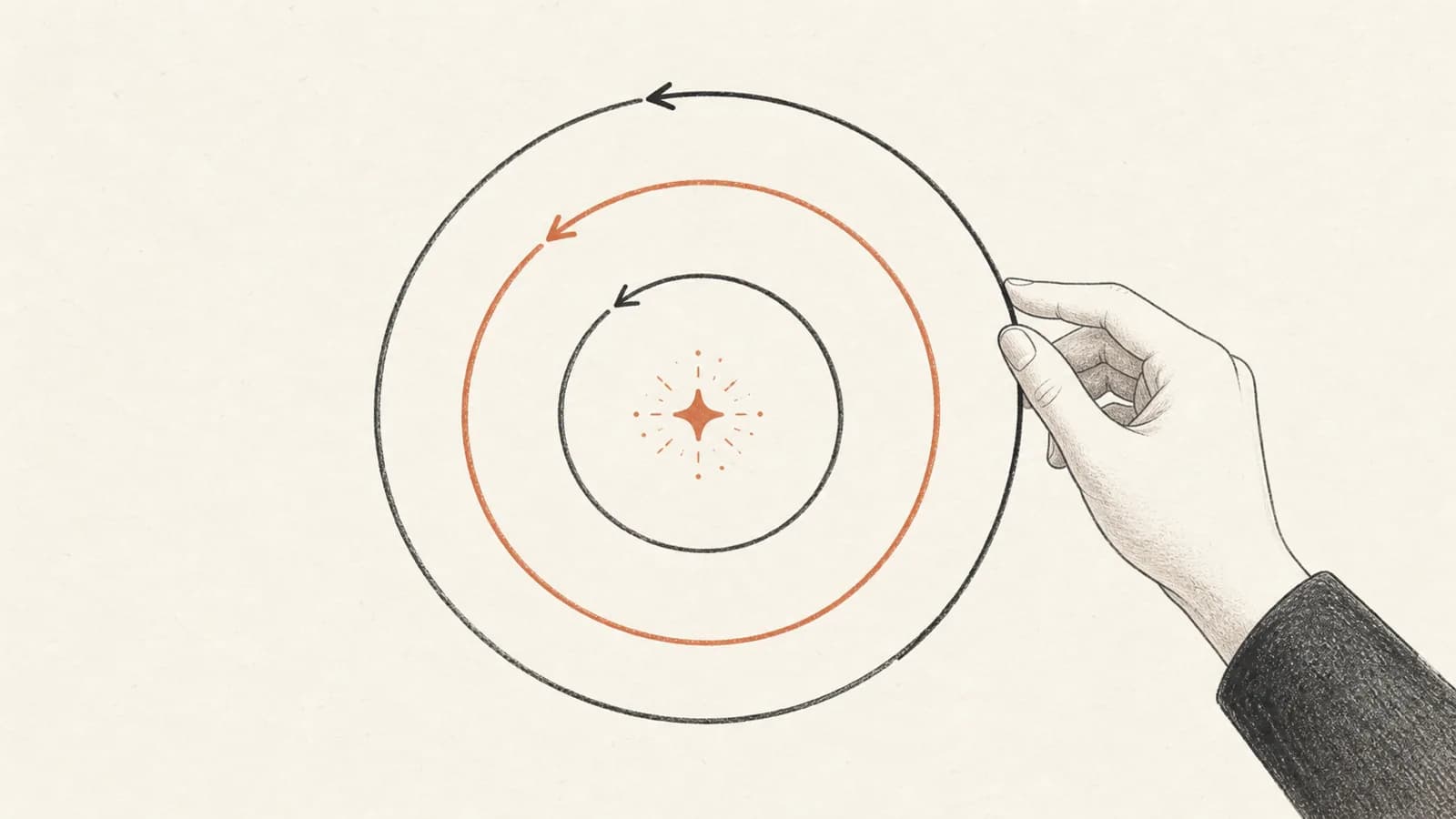
Andrew Ng 在 2026 年 6 月發表於 The Batch 的信件開頭指出,受 Boris Cherny 與 Peter Steinberger 影響,「loop engineering」已成為流行語——這兩位實作者正是 wiki 的 Loop Engineering 頁面命名所依據的對象。Ng 的貢獻在於指出,他們談的其實都是一個迴圈,而產品建構則依靠三個處於巢狀關係、時間尺度各異的迴圈。「這些迴圈不只引導我如何建構軟體,也引導我決定要建構什麼軟體。」(practitioner-opinion——這是分類法加上個人建構紀錄,而非測量結果。)
這套分類法對本 wiki 的價值在於校正視角。語料庫中幾乎所有關於迴圈的內容——Agent Loop Pattern、Loop Engineering、/goal、Ralph 迴圈、maker/checker 子 agent——都在最佳化最內層迴圈,也就是 agent 自行關閉的那一個。Ng 的外層兩個迴圈才是人類仍然所在之處,也是決定正在建構的東西是否值得建構的迴圈。
三個迴圈#
| 迴圈 | 誰關閉它 | 頻率 | 它消耗什麼 | 它產出什麼 |
|---|---|---|---|---|
| Agentic coding loop | agent 單獨完成 | 「每隔幾分鐘」 | 一份 spec,可選 evals | 通過自身測試的程式碼 |
| Developer feedback loop | 人類 | 「數十分鐘到數小時」 | 可運作的建置版本 | 修訂後的 spec/引導 |
| External feedback loop | 市場 | 「數小時……數天甚至數週」 | 已發布的產品 | 修訂後的願景 |
巢狀關係是嚴格的:外部迴圈會影響開發者的願景,願景驅動 spec,spec 驅動 coding agent。回饋會沿著同一條鏈向上流動。每個外層迴圈的運行速度約比它所包含的迴圈慢 1–2 個數量級,這正是內層迴圈加速如此關鍵、卻又如此有限的原因——你可以讓最內層迴圈瞬間完成,但產品仍然會以最外層迴圈的速度前進。
1. Agentic coding loop#
「給定產品規格,以及可選的一組 evals……讓 AI agent 撰寫程式碼、測試自己的工作,並持續迭代,直到程式碼沒有 bug 且符合其規格。」Ng 將這個迴圈的關閉時間定在「去年年底左右」,並稱其為「讓 coding agents 能夠在沒有人類介入的情況下,長時間保持生產力工作的遊戲規則改變者」。他自己的資料點是:為女兒建構一款打字練習 app 時,「我的 coding agent 可以輕鬆工作約一小時,期間使用 web browser 多次檢查它所建構的成果,之後才回來找我。」(這是軼事而非測量;可參考 Task Time-Horizon Scaling,了解這是其曲線上的一個點。)
「這是目前積極發明的領域!」——也就是完整意義上的 Loop Engineering 與 Agent Loop Pattern。
2. Developer feedback loop#
變化最大的迴圈,也是閱讀這篇文章的理由。Ng 描述人類過去所做的工作:
「去年,許多開發者(包括我在內)都在替 coding agents 擔任 QA,手動找出 bug,然後要求 agent 修正。但隨著 coding agents 越來越能測試自己的程式碼,我們需要花在這項職能上的時間已大幅減少。這讓我們能夠做出更高層次的產品決策。」
人類並沒有從迴圈中被移除;而是被晉升離開 QA。這點與 wiki 的主流框架形成對照。Verification as the New Bottleneck 認為,一旦 coding 變得廉價,verification 就會成為稀缺資源;Ng 描述的卻是相反的走向——能自行測試的 agents 耗盡了人類的 verification 負擔,讓注意力得以向上移動。兩者可以調和(Ng 建構的是 0 到 1 的個人產品,錯誤建置的代價很低;Fung 談的是 production 組織,錯誤建置的代價並不低),但分歧確實存在,值得保持可見,而不是取平均消除。Faros 的遙測資料——PR review 中位時間上升 441.5%——是證據力更高的來源,在組織案例上站在 Ng 的對立面。
Ng 在這個迴圈中點出兩個機制:
- Spec translation 才是工作本身。「當開發者對要建構的東西有清楚願景時,將那個願景轉譯成 coding agent 可實作的規格,仍然是一項大量工作。此外,開發者看過實作後,可能會更新(或也許釐清)spec。」願景 → spec 是有損且反覆的;看見建置成果,才能發現 spec 原本應該寫明什麼。這就是以迴圈而非技術的形式陳述的未知數問題。
- 當迴圈以相同方式失敗兩次,才是你該建構 evals 的時候。「如果你發現系統反覆遇到某些問題,為 agent 建構一組 evals 就會變得有用。」這是一種挑釁而非預防的紀律——順序與以「十個優秀 evals」撰寫成 spec 相反。Ng 的版本更便宜、也更懶散;Cat Wu 的版本則是在功能已經模糊到「它失敗了」不再不言自明時所採取的做法。
3. External feedback loop#
「向幾位朋友徵求回饋、向 alpha 測試者發布,或透過 A/B testing 將程式碼投入 production。」這很慢——「很少少於數小時,有時甚至需要數天或數週。」這是唯一會更新願景而非 spec 的迴圈,也是 AI 原生工具對加速最少的迴圈。Ng 指出,AI 原生團隊越來越常自動化它的輸入(使用資料分析、回饋摘要、競爭分析),但並未縮短迴圈本身。
為什麼人類位於中間迴圈#
Ng 對人類貢獻的描述,是他最常被引用的一句話,也因此有了自己的頁面:不是品味,而是脈絡優勢。「對於我參與的幾乎所有產品,我都認為人類相較於目前的 AI 系統具有顯著的脈絡優勢——我們比 AI 系統更了解使用者,也更了解產品必須運作的脈絡。」停止條件由此直接推出:「只要人類知道某些 AI 不知道的事,就需要 human-in-the-loop 將這些知識注入系統。」
從分類法來看,這句話指出了一件具體的事:人類位於developer feedback loop,因為只有在這裡,來自外部迴圈的知識(只有人類執行過它)才能被注入coding迴圈(由 agent 獨自執行)。人類是連接「了解使用者的迴圈」與「撰寫程式碼的迴圈」之間的傳輸者。
角色的後果#
「隨著 coding agents 加速軟體開發,越來越多工程師開始扮演部分產品管理角色。對許多正逐漸進入這個角色的工程師而言,最困難的部分是塑造產品願景,並在建構(彌合願景與 spec 之間的落差)與取得使用者回饋、以演進願景之間取得平衡。兩者都很重要!」
這是來自第三個獨立視角的 Engineer PM Convergence(在 Cat Wu 與 Boris Cherny 之後),而 Ng 指出這會產生一個具體失敗:新近掌握中間迴圈的工程師會對它投入過多。建構正是他們知道如何運行的迴圈,因此外部迴圈——緩慢、令人不愉快、無法自動化——就被跳過了。Ng 以對稱方式收尾:「工程師正在扮演擴張後的角色(正如產品經理與設計師現在也做更多工程工作)。」
張力:迴圈是否已經過時?#
在 Ng 的信件發表前兩天,Andrew Ambrosino——他在 OpenAI 領導 Codex 桌面 app——告訴 Lenny's Podcast,「loops are so last week」,主張協調式迴圈是一種過渡性 harness,而自主、長時間跨度的模型已經開始超越它(參見 Vibe Coding vs. Agentic Engineering)。Ng 卻在同一週發表迴圈分類法。
兩人可能都對,因為他們指的是不同的迴圈。Ambrosino 所說的「loops」是agentic coding loop——不斷刺激 agent 直到它收斂的鷹架——他的主張是,模型能力會吸收它(Harness Shrinkage as Models Improve)。Ng 的外層兩個迴圈不是 harness;它們是產品開發本身的結構,而沒有任何模型能力能消除將產品發布給使用者需要數天這個事實。這就是理解分類法的有用方式:內層迴圈是 harness,會逐漸縮小;外層迴圈是物理法則,不會。
相關連結#
- Loop Engineering——Ng 正在定位的紀律:Osmani 的五個基元全都位於這三個迴圈的最內層;這套分類法是一張地圖,顯示 loop engineering 未觸及哪些迴圈
- Agent Loop Pattern——關閉 agentic coding loop 的基元
- Context Advantage, Not Taste——Ng 對人類貢獻的重新詮釋,以及人類之所以特別位於中間迴圈的原因
- Unknowns as the Agentic Bottleneck——願景→spec 的有損轉譯就是未知數問題;developer feedback loop 是實作後未知數浮現的地方
- Engineer PM Convergence——同一趨勢的第三份獨立報告,並指出一種具名的失敗模式:工程師在自己喜歡的迴圈上過度運轉
- Evals as Product Spec——具生產力的分歧:把 evals 視為對重複失敗的反應(Ng),或把 evals 視為事先撰寫的 spec(Cat Wu)
- Vibe Coding vs. Agentic Engineering——Andrew Ambrosino 的「loops are so last week」,與本文在同一週發表;一旦區分 harness-loops 與 product-loops,張力就能化解
- Verification as the New Bottleneck——直接的分歧:Ng 表示自行測試的 agents 降低了人類 QA 負擔,而 Fiona Fung 認為 verification 成了稀缺資源;範圍(0 到 1 個人建置與 production 組織)很可能能調和兩者,而 Faros 的遙測資料 的證據力高於兩者
- Task Time-Horizon Scaling——約一小時的無人值守運行,是這條曲線上的一個軼事資料點
- Harness Shrinkage as Models Improve——說明為什麼內層迴圈會縮小,而外層兩個不會
- AI Native Product Cadence——外層迴圈設定的組織層級節奏;外部迴圈是尚無任何工具能抬高的底線
- Andrew Ng——作者
- Boris Cherny/Peter Steinberger——Ng 認為是讓「loop engineering」成為流行語的兩位實作者
待解決的問題#
- Ng 斷言開發者的 QA 負擔「大幅」下降。Faros 的 2026 遙測資料 卻測得 production 組織出現相反情況。這個分歧真的只是 0 到 1 對 production,還是 Ng 的自我報告也受到調查文獻持續發現的同一種樂觀偏誤影響?
- 外部迴圈是唯一沒有縮短的迴圈。這是物理法則(使用者需要時間回應),還是尚未自動化的前沿(合成使用者、將部署模擬應用於產品而非模型)?
- 如果人類在中間迴圈的存在,是由一種可以被彌合的脈絡優勢所正當化,那麼中間迴圈就是一種過渡性結構。兩個迴圈的世界會是什麼樣子——那時又由誰來翻譯外部迴圈的訊號?
資料來源#
- Thread by @AndrewYNg——Andrew Ng,The Batch,發表於 2026-06-30,取自 X 的剪輯(
practitioner-opinion)。三迴圈圖是託管於 X 的圖片,未予轉錄。
Cited by 20
- Acceleration Whiplash×3
Three Loops Of Ai Native Building — the telemetry that outranks Andrew Ng's self-report: he claims…
- Open Questions Backlog×3
Three Loops Of Ai Native Building (34d) — The external loop is the unshortened one. Is that physics…
- Andrew Ng×2
Three Loops Of Ai Native Building — the agentic coding loop (agent-closed, minutes), the developer…
- Context Advantage, Not Taste×2
In a June 2026 letter otherwise devoted to a loop taxonomy, Andrew Ng makes an aside that quietly…
- Engineer PM Convergence×2
Ng adds what the Anthropic accounts don't: a named failure mode. Engineers newly holding the…
- Is Human Review of AI-Authored Code Still a Real Control, or Already Rubber-Stamping?×2
Three Loops Of Ai Native Building — is the Ng-vs-Faros QA-burden split really 0-to-1-vs-production,…
- Loop Engineering×2
Two weeks after Osmani's essay, Andrew Ng responded to loop engineering "becoming a hot buzzphrase…
- Agent-Generated Test Quality
Acceleration Whiplash — the authoring-quality thesis measured on the test suite: assertion drift…
- Agent Loop Pattern
Three Loops Of Ai Native Building — Andrew Ng's taxonomy places this primitive: it closes the…
- Andrew Ambrosino
Three Loops Of Ai Native Building — Andrew Ng published a three-loop taxonomy the same week…
- The Automation–Optimism Link
Three Loops Of Ai Native Building — a candidate instance of the gap: Andrew Ng self-reports that…
- Boris Cherny
Three Loops Of Ai Native Building — Andrew Ng credits him (with Peter Steinberger) for making "loop…
- Deployment Simulation
Three Loops Of Ai Native Building — the open frontier the taxonomy exposes: the external feedback…
- Evals as Product Spec
Three Loops Of Ai Native Building — the productive disagreement on when to write evals: Andrew Ng…
- AI Coding Practice
Three Loops Of Ai Native Building — Andrew Ng's nested-loop taxonomy for 0-to-1 products: the…
- Peter Steinberger
Three Loops Of Ai Native Building — Andrew Ng credits him (with Boris Cherny) for the buzzphrase,…
- Task Time-Horizon Scaling
Three Loops Of Ai Native Building — one anecdotal point on the curve: Andrew Ng's coding agent…
- Unknowns as the Agentic Bottleneck
Three Loops Of Ai Native Building — vision→spec lossiness is this problem stated as a loop: Andrew…
- Verification as the New Bottleneck
Three Loops Of Ai Native Building — the direct dissent. Andrew Ng reports the opposite motion:…
- Vibe Coding vs. Agentic Engineering
Three Loops Of Ai Native Building — Andrew Ng published a loop taxonomy the same week Ambrosino…
Related articles
- Andrew Ng
Founder of DeepLearning.AI and AI Fund, founding lead of Google Brain, co-founder of Coursera; writes The Batch, where…
- Verification as the New Bottleneck
Fiona Fung: coding is no longer the bottleneck — verification, review, maintenance are; shift-left; TDD loses its tax;…
- Claude Code
Anthropic's agentic coding product; created by Boris Cherny late 2024; TypeScript/React on Bun (itself Claude-rewritten…
- Boris Cherny
Creator of Claude Code at Anthropic; phone-driven workflow with hundreds of agents; primary advocate of `/loop` primiti…
- Harness Shrinkage as Models Improve
Prompt scaffolding shrinks each model release; Cat Wu's pruning discipline; Boris Cherny "100 lines of code a year from…