資料來源#
- Andrej Karpathy: From Vibe Coding to Agentic Engineering
- DHH: Future of Programming, AI, Agentic Engineering, Vibe Coding & Linux | Lex Fridman Podcast #501
- OpenID Foundation advances authorization for the agent era with new AuthZEN Working Group Drafts
摘要#
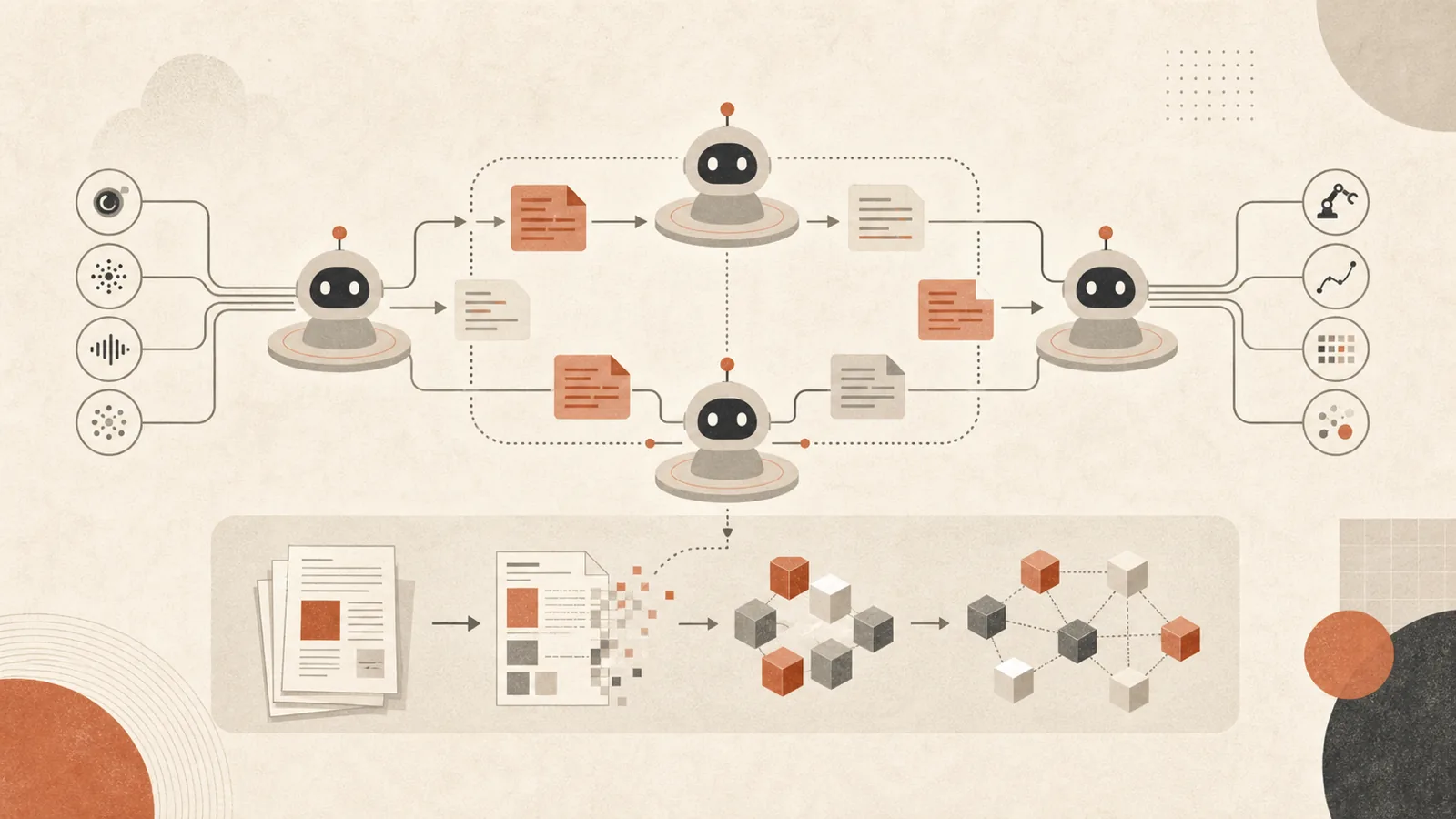
Andrej Karpathy指出,數位世界仍是為人類打造,必須改寫成適合代理程式的環境。他最常抱怨的一件事是:文件竟然是寫來指示人類的。「為什麼大家還在告訴我要做什麼?我什麼都不想做。我該複製貼上什麼給我的代理程式?」原生支援代理程式的世界會將工作拆解為感測世界的感測器,以及作用於世界的致動器,並且所有事物都要「優先描述給代理程式」。最後,還要為人和組織建立代理程式代表:「我的代理程式會和你的代理程式交談,商量我們開會的細節。」
複製貼上給代理程式的安裝方式#
具體的起點(也和 Software 3.0 相同):安裝 OpenClaw 不靠 shell script,而是把一段文字貼給代理程式,由它檢查你的環境並在迴圈中除錯。推而廣之:原生支援代理程式的軟體,其散布單位是提示/技能,而非可執行檔。文件、設定和安裝流程都應該提供「把這些交給你的代理程式」,而不是「由你執行以下步驟」。
感測器與致動器#
Karpathy 用機器人學的概念重新詮釋代理程式基礎設施:把任何工作負載拆成感測器(代理程式可讀取的清楚輸入)和致動器(代理程式可採取的動作),接著讓這些介面都能被代理程式理解。他也強調要大力投資「對 LLM 來說非常清楚易讀的資料結構」。設計問題於是從「人類需要什麼樣的 UI?」轉向「代理程式能感知什麼,又能對哪些事採取動作?」
部署摩擦透露的訊號#
Karpathy 用 MenuGen 測試基礎設施是否已原生支援代理程式:難的不是程式碼,而是部署到 Vercel(DNS、服務設定、選單、串接服務,「煩死了」)。他的理想是:「給 LLM 一個提示,建好 MenuGen,我完全不用碰任何東西——它就部署到網際網路上。」當這趟往返完全不需要人類點擊 GUI,基礎設施才算原生支援代理程式。(這也連到 MCP and Computer Use:MCP 讓服務能以程式方式被代理程式理解;無法做到時,電腦操作就是備援方案。)
終點:由代理程式代表委託人#
進一步推演,代理程式將代表人和組織,透過代理程式對代理程式完成排程、協商與協調。「我會讓我的代理程式和你的代理程式交談,商量我們開會的細節。」這就是原生支援代理程式世界的社交協定層,也是 AI Employee Framing/Human-AI Accountability Redesign 所探討的問題開始浮上檯面的地方(誰要為代理程式的承諾負責?)。
反向案例:意外成為原生支援代理程式的環境(DHH,2026 年 8 月)#
本文的前提是:為人類打造的世界必須改寫成適合代理程式的環境。DHH 提供了相反的案例,而在本文語料中,這是對此概念最有意思的觀點:桌面 Linux 不需要改寫,因為那些讓它對人類不友善的特性,正是代理程式想要的(Lex Fridman #501,2026-08-26,practitioner-opinion;請注意,他發行 Linux 發行版,因此這同時是分析和產品定位)。
有四項特性,沒有一項是為此而設計:
- 所有東西都是設定檔或 CLI 工具。「代理程式喜歡 Unix 哲學……地球上幾個主要作業系統——Mac、Windows、Linux——沒有一個比 Linux 更適合這種機制。而這五分鐘前還是它最大的缺點。」Karpathy 所說的感測器/致動器拆解方式,在這個平台上早已存在;沒有人需要另外打造。
- 晦澀的錯誤訊息變成資產,而非負擔。「代理程式可以拿那段對一般人來說毫無意義的具體錯誤訊息,連結到它預訓練時讀過 4,000 萬行 Linux 程式碼這件事,於是它確切知道該去哪裡找。」沒有原始碼就無法利用的明確資訊,現在有了原始碼就能派上用場。
- 每個已安裝元件的原始碼都能取得。「代理程式知道的不只是 Linux 作業系統的原始碼,還包括我那台電腦上每一個軟體的原始碼。」代理程式除錯 macOS app 時,只能推理黑箱;同一個代理程式在 Linux 上,則能讀取當機二進位檔的原始碼。他把這點做成產品功能——Omarchy Quattro 有當機監看器,可從 systemd 記錄一路分析到出錯的原始碼行,讓代理程式診斷任何 app 當機,接著提交錯誤報告。
- **整台電腦都能用文字重現。**他對替代方案的抱怨很具體,並非出於意識形態:macOS 預設按鍵綁定和 Raycast 設定完全無法自動化——「你得像穴居人一樣用滑鼠點來點去。」
可推廣的論點是一條本文目前尚未提出的篩選規則:**環境的狀態越以文字表示、動作越能透過命令執行、內部越容易讀取,就越原生支援代理程式。**透過 GUI 設定、原始碼封閉、每台機器都得逐一點擊的環境,才需要改寫;那些從未為了人類操作便利而妥協的環境,早已準備就緒。這是否能預測採用情況——也就是他更強烈的主張,Linux 終於能因此進軍桌面市場——仍是預測,而他也在推銷這項預測。
他從這件事推導出的終點也值得放進本文:如果作業系統從頭到尾都以文字和命令為基礎,**作業系統本身就會成為你用 vibe coding 打造的對象。**Omarchy 隨附一組技能,教任何代理程式如何為桌面撰寫外掛,並在三天內產生 330 個社群外掛(Open Source Under Agent Contributions)。「既然你想到什麼 app 都能用 vibe coding 寫出來,你也應該能用 vibe coding 打造自己的作業系統。」
延伸閱讀#
- Andrej Karpathy — 對「寫給人類看的文件」的抱怨
- Software 3.0 — 複製貼上給代理程式的安裝方式,就是 3.0 的散布模式
- MCP and Computer Use — MCP = 結構化、可供代理程式理解;電腦操作 = 操控 GUI 的備援方案,適用於不支援代理程式的服務;兩者都是這個概念所要求的基礎
- Agent Harness Engineering — 在基礎設施層級打造代理程式可理解的環境,就是代理程式 harness 工程
- Agent Loop Pattern — 透過感測器/致動器持續運作並採取行動的代理程式,就是原生支援代理程式世界的執行環境
- Hermes Agent — 具體的原生代理程式 daemon(AGENTS.md context、gateway connectors),連接聊天介面與代理程式致動器
- AI Employee Framing — 「代表委託人的代理程式」會帶出把代理程式視為行動者時的責任歸屬問題
- Living Design System —
design_system.html是讓程式碼庫同時易於機器和人類理解的例子 - Claude Code — 消化複製貼上的技能並驅動電腦操作致動器的代理程式
- Agent Identity Management System (AIMS) — 為代理程式對代理程式的終點提供「信任、身分和問責原語」的具體提案:工作負載識別碼、委派授權,以及由既有標準組成的端對端稽核(請參閱下方未解問題)
- Open Source Under Agent Contributions — 代理程式可理解的平台如何改變自身的貢獻流程:技能隨產品提供、三天產生 330 個外掛,以及由代理程式分類處理成果
- DHH (David Heinemeier Hansson) — 主張桌面 Linux 意外成為原生支援代理程式的實務工作者,以及押注此觀點並發行相關 Linux 發行版的人
待解決的問題#
- 誰會打造適合代理程式的改寫版本,以涵蓋大量面向人類的服務——服務提供者本身,還是上層的轉譯層(MCP 伺服器、電腦操作代理程式)?
- 代理程式對代理程式的協商需要尚不存在的信任、身分和問責原語。協定層會是什麼?由誰治理?部分已有解答:AIMS(IETF
draft-klrc-aiagent-auth-03)提出了協定層——代理程式對代理程式其實就是工作負載對工作負載,因此 WIMSE/SPIFFE 識別碼、OAuth 2.0 委派與權杖交換串接,以及 OpenID Shared-Signals 事件機制(取自 IETF/CNCF/OpenID)可提供身分、委派權限與可稽核的問責;工具端點「本身可能由另一個 AI 代理程式實作」。但由誰治理仍是開放問題:AIMS 是未經 IETF WG 共識的個人提案,描述的規格堆疊本身也仍是網際網路草案——這些原語只是提案,尚未核准或裁定。進一步釐清(2026-07):「由誰治理」的答案明確是多方參與——身分/驗證/委派部分走 IETF 路線(AIMS),授權部分則走 OpenID Foundation 路線:其 AuthZEN Working Group 在 2026-06-15 核准 AARP(將 CIBA 概括化的先決條件/核准模式——「目前不行,以下是必要條件」)與 COAZ(MCP 工具授權)設定檔,作為 Working Group Drafts。因此,協定層正由多個機構共同標準化(IETF 負責「你是誰」+「權限如何委派」;OpenID 負責「是否允許這項呼叫」+「執行前必須滿足哪些條件」)——進展中,但尚無單一仲裁者,也尚未核准跨機構組合方式。(標準公告、practitioner-opinion——仍是提案草案,並非定案規格。)
資料來源#
-
DHH: Future of Programming, AI, Agentic Engineering, Vibe Coding & Linux | Lex Fridman Podcast #501 — DHH、Lex Fridman #501(2026-08-26,
practitioner-opinion,發行版供應商的利益衝突):Linux 意外原生支援代理程式的論點——設定檔/CLI 介面、預訓練讓晦澀錯誤變得可理解、原始碼可取得、文字可重現機器狀態;當機監看器與外掛技能的實作 -
OpenID Foundation advances authorization for the agent era with new AuthZEN Working Group Drafts — OpenID Foundation,…advances authorization for the agent era with new AuthZEN Working Group Drafts,2026 年 6 月 15 日,
practitioner-opinion。證明代理程式對代理程式的授權協定層正逐步標準化(OpenID AuthZEN WG:AARP + COAZ Working Group Drafts),與 IETF 的身分/委派工作並行——補足上方未解問題中多方治理的部分
Cited by 15
- Agent Identity Management System (AIMS)×4
Why it matters to this vault: the agent-security cluster was sourced almost entirely to one vendor…
- The Future of Agent Interfaces×3
Agent Native Infrastructure - long-run direction: systems described to agents first through sensors…
- Andrej Karpathy×2
Agent Native Infrastructure — "why are docs still written for humans? what do I copy-paste to my…
- DHH (David Heinemeier Hansson)×2
Linux wins the desktop because agents love it. The arcane config files and specific error messages…
- Open Questions Backlog×2
Agent Native Infrastructure: Who builds the agent-native rewrite of the long tail of human-facing…
- OpenClaw×2
Agent Native Infrastructure — the paste-to-your-agent installer is this concept's concrete seed
- Software 3.0×2
Agent Native Infrastructure — the OpenClaw "copy-paste to your agent" install is the practical face…
- Agent Harness Engineering
Agent Native Infrastructure — building agent-legible environments is harness engineering at the…
- Agent Loop Pattern
Agent Native Infrastructure — always-on loops acting via sensors/actuators are the runtime of…
- AI Employee Framing
Agent Native Infrastructure — rewriting infrastructure for agents raises the same agent-vs-tool…
- Human-AI Accountability Redesign
Agent Native Infrastructure — agent-to-agent infrastructure needs the accountability/identity…
- Living Design System
Agent Native Infrastructure — design_system.html is agent-native infrastructure for the design layer
- MCP and Computer Use
Agent Native Infrastructure — MCP is what makes a service agent-legible (structured); computer use…
- Agent Systems & Harness Engineering
Agent Native Infrastructure — The world is still built for humans and must be rewritten for agents;…
- Open Source Under Agent Contributions
Agent Native Infrastructure — why this project in particular attracts contributions at this rate:…
Related articles
- Harness Shrinkage as Models Improve
Prompt scaffolding shrinks each model release; Cat Wu's pruning discipline; Boris Cherny "100 lines of code a year from…
- MCP and Computer Use
Anthropic's two complementary connector mechanisms: MCP for structured programmatic access (Salesforce/Drive/Gmail/Slac…
- Claude Code
Anthropic's agentic coding product; created by Boris Cherny late 2024; TypeScript/React on Bun (itself Claude-rewritten…
- Loop Engineering
Replacing yourself as the agent's prompter by designing the system that prompts it: a recursive-goal loop built from fi…
- Vibe Coding vs. Agentic Engineering
Vibe coding raises the floor (anyone builds); agentic engineering preserves the quality bar while going faster; ">10x a…