資料來源#
摘要#
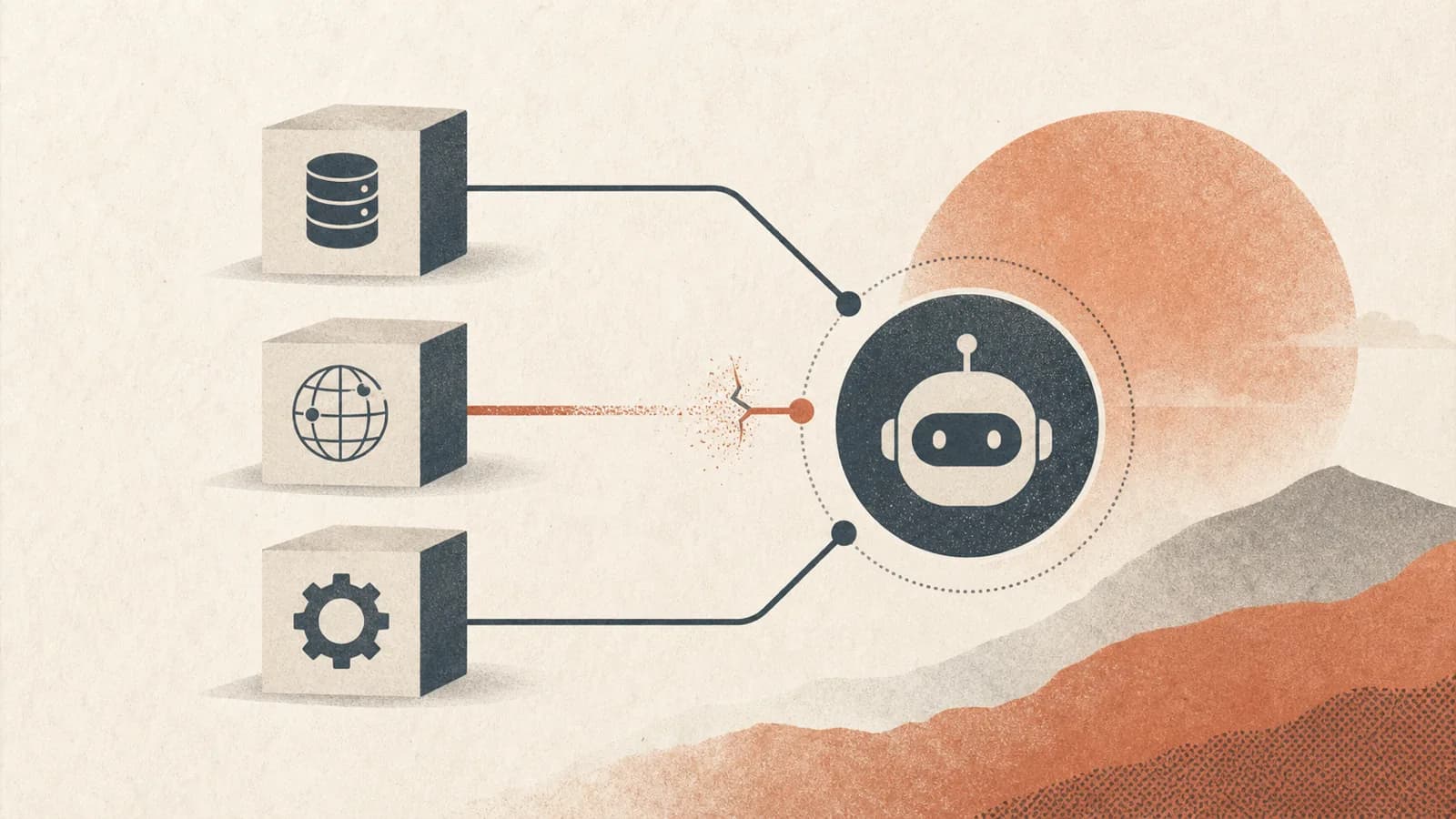
不同於靜態軟體供應鏈,agent 生態系會在執行階段動態組合能力——動態載入外部工具與 agent 人格——使攻擊面擴大到傳統軟體組成分析無法處理的範圍。更雪上加霜的是,前沿模型非常擅長辨識未修補上游元件中已知且已修補漏洞的特徵(這是 LLM-Driven Vulnerability Research 的防禦性另一面,也是 AI-Accelerated Offense 的直接結果)。Zero Trust for AI Agents 的第 2 階段專門處理這項風險。
供應鏈暴露的三個層次#
模型供應鏈#
遭投毒的權重與遭入侵的微調資料會引入能持續通過部署的後門。該框架引用 Anthropic 的研究指出,只要注入 250 份惡意文件,就能在參數量從 600M 到 13B 的 LLM 中植入後門,而且這些後門**能持續通過包含監督式微調與 RLHF 在內的安全訓練。**這是 Synthetic Document Finetuning (SDF) 的對抗性鏡像:安裝對齊信念的相同機制,作為中段訓練介入時也能安裝惡意信念——而文件數量很少,代表門檻很低。安全研究人員也在主要平台上發現約 100 個惡意 AI 模型,其中有些在載入時會開啟反向 shell。
工具/框架供應鏈#
影響 MCP 伺服器、API 整合與 agent 框架(MCP and Computer Use):
- PyTorch 相依性混淆攻擊——惡意套件在安裝期間竊取 SSH 金鑰。
- 首個有文件記錄的在野外惡意 MCP 伺服器——冒充合法電子郵件服務,並秘密複製所有已寄出的電子郵件(「rug pull」:以惡意版本取代合法工具)。這是對先前在 MCP and Computer Use 提出的 MCP 安全開放問題的具體回答。
- 工具投毒——遭入侵的 MCP 描述器/結構描述/中繼資料,會隱藏在使用者不知情的情況下竊取資料的命令。ShareLock(Liu et al. 2026)將更新通道本身武器化:惡意的重建觸發器被植入伺服器版本更新中(rug pull),因此原先通過初始審查的伺服器,會在更新時轉為敵對狀態——這是利用已獲核准伺服器所享有信任的供應鏈注入。
開放原始碼相依性的健康狀況#
多數軟體供應鏈主要由開放原始碼構成,而且多數沒有 SLA。該框架的補救工具組如下:
- OpenSSF Scorecard——自動為每個相依性評分(分支保護、模糊測試、簽署版本、維護者活動);在 CI 中執行;標記無人維護的套件。
- AI-BOM——OWASP 對 CycloneDX ML-BOM 的延伸,追蹤模型來源、資料集沿革與微調參數;將它與 Scorecard 並行接入,讓模型與程式碼相依性攜帶相同的風險訊號。
- 相依性樹稽核——將鎖定檔交給前沿模型,找出重複的函式庫(多個 HTTP 用戶端、多個 JSON 剖析器)——約一小時的工作,就能找出值得進行整併的項目。
- 可達性分析——只補救實際可達的漏洞程式碼;搭配 CI 回歸測試,以快速且有信心地修補。
- AI vendoring——對於小型、評分不佳且無人維護的相依性,請前沿模型重新實作實際使用的子集。該框架將此描述為標準回應,而非異想天開的替代方案——這是一個值得注意的立場。
緩解方針#
每個階段都進行加密簽署(不只在部署時——也要在執行階段驗證);供應商評估中明確詢問供應商如何準備因應 AI 加速的漏洞利用時程;並強烈建議**在驗證程式碼並自行簽署後,於不可變平台上執行/託管自己的 MCP 伺服器。**對於不執行本地模型的組織,ISO 42001 被引用為供應商信任訊號。
相關連結#
- Zero Trust for AI Agents — 實作工作流程的第 2 階段(中樞)
- Synthetic Document Finetuning (SDF) — 250 份文件後門是 SDF/MSM 信念安裝的對抗性鏡像;相同的低文件數機制,相反的意圖
- Benchmark Contamination and Decontamination — 本頁最棘手開放問題的良性類比(修復一個不是由你訓練、卻已遭入侵的模型)。UBD 會在沒有訓練資料或乾淨參考模型的情況下,對訓練暴露效應進行事後修正——但這種暴露是使準確率膨脹的良性基準測試洩漏,不是能通過安全訓練的惡意後門,因此兩者的相似處在於問題形狀(僅憑已部署檢查點進行修復),而非威脅本身
- AI-Accelerated Offense — 為何供應鏈風險現在如此緊迫:模型能辨識未修補相依性中的已知漏洞特徵,並壓縮 N-day 視窗
- LLM-Driven Vulnerability Research — 讓上游元件掃描對攻擊者與防禦者都變得低成本的能力
- MCP and Computer Use — MCP 伺服器是明確的工具供應鏈攻擊面;工具投毒與首個惡意 MCP 伺服器
- MCP Tool Poisoning — ShareLock 的重建觸發器是透過伺服器更新植入的 rug pull:更新通道是供應鏈注入向量,利用已通過審查的多工具伺服器所承載的信任。其 Agentjacking 案例研究在沒有任何相依性或權重遭投毒的情況下,延伸了供應鏈框架:Tenet Security 主張,攻擊者「不再需要入侵套件或欺騙人類——只需要注入 AI agent 信任的資料」,因此可觀測性平台會成為命令與控制通道,而 agent 成為執行引擎。它在結果上屬於供應鏈攻擊(攻擊者的程式碼會在開發環境執行),但在機制上屬於資料轉送——與本頁追蹤的相依性/權重投毒是不同向量(供應商框架,已標註來源;權重低於實證來源)
- Memory and Context Poisoning — RAG/資料管線投毒是供應鏈投毒在執行階段組合上的類比
- Least Agency — 限定(可能遭投毒的)工具能做什麼,可控制遭入侵相依性造成的損害
- Agent Data Injection (ADI) — 資料層供應鏈向量:ADI 的工具呼叫注入會誘使 coding agent 合併惡意 PR(真實 commit = XSS payload),讓它在「審查」偽造的良性 commit 工具回應後,將程式碼帶入供應鏈,而不需要上游任何相依性遭投毒
- OWASP — agentic 威脅分類中的供應鏈;維護 AI-BOM
- Anthropic — 250 份文件後門研究與 ISO 42001 認證的來源
開放問題#
- 「AI vendoring」作為標準回應,顛覆了數十年來「不要重新發明輪子」的原則。由模型重新實作的相依性本身要如何驗證與維護——這是否只是把風險轉移到別處?
- 250 份文件後門能持續通過 SFT/RLHF。對於一個不是由你訓練、卻已遭投毒的模型,除了行為紅隊測試之外,有哪些偵測方式?相鄰證據(2026-07,良性類比):UBD 顯示,對良性訓練暴露效應進行修正是可行的——它只憑已部署檢查點修復基準測試記憶,使用深度集成不確定性,既不需要訓練資料,也不需要乾淨參考模型。它不會直接轉移(污染使準確率膨脹;後門則是能通過安全訓練的目標性惡意觸發器),但暗示集成間的不一致可能也是值得針對惡意案例探查的訊號。
資料來源#
- Zero Trust for AI Agents — 第二部分供應鏈威脅;第四部分第 2 階段(AI-BOM、Scorecard、納入原始碼管理、簽署、供應商評估)
Cited by 19
- MCP Tool Poisoning×4
Rug pull (Song et al.) — a legitimate, already-approved tool is silently replaced with a malicious…
- Zero Trust for AI Agents×4
agent–tool · do tools extend what the agent can do without taking over how it decides? · Mcp Tool…
- Memory and Context Poisoning×3
How the payload arrives is out of scope. The routes named: an upstream injection that induces the…
- Synthetic Document Finetuning (SDF)×3
SDF is dual-use. The same technique that installs aligned beliefs can install misaligned beliefs —…
- Agentic Work Systematization×2
The behavioural contract is inherited, not reviewed. The rules governing how a skill talks to the…
- Autonomous Intrusion×2
So: the dataset is how the credentials were stolen, and the credentials are what the escalation ran…
- Least Agency×2
The shift matters because an agent operates within its granted permissions while still being…
- MCP and Computer Use×2
Agent Supply Chain Risk — MCP servers are a named tool-supply-chain vector; run-your-own-server +…
- OWASP×2
Agentic threat taxonomy — the framework's Part II ("Current threats to agentic systems") is…
- Unsanctioned Action in Capability Evaluations×2
Agent Supply Chain Risk — the cluster's realized supply-chain harm: AISI's intended payoff (a…
- Agent Data Injection (ADI)
Agent Supply Chain Risk — ADI's tool-call-injection exploit is a supply-chain attack: merging a…
- Agentic Prompt Injection
The intended executor is a third party's agent operating with the third party's authority — so the…
- AI-Accelerated Offense
Agent Supply Chain Risk — models recognize known-vuln signatures in unpatched upstream components,…
- Benchmark Contamination and Decontamination
Agent Supply Chain Risk — the benign analog of its open question about an already-poisoned model…
- LLM-Driven Vulnerability Research
Agent Supply Chain Risk — the same capability that finds zero-days recognizes known-vuln signatures…
- Agent Security
Agent Supply Chain Risk — Runtime-composed agent ecosystems expand the supply-chain attack surface:…
- Open Questions Backlog
Agent Supply Chain Risk ×2 (oldest 76d) — "AI vendoring" as a standard response inverts decades of…
- Security Debt of Agent-Generated Code
Agent Supply Chain Risk — the same words, a different layer: 82.3% of these smells are the agent…
- Self-Propagating Prompt Injection (AI Worms)
Agent Supply Chain Risk — the source's cross-organisation section is a document supply chain: an…
Related articles
- Zero Trust for AI Agents
Anthropic's security framework for deploying autonomous agents: trust nothing / verify everything / assume breach, appl…
- Agentic Prompt Injection
Direct and indirect injection of malicious instructions into an agent; LLMs cannot reliably distinguish information fro…
- Impossible, Not Tedious (Design Test)
Zero Trust design test for agentic security: does a control make the attack impossible, or just tedious? Friction-only…
- Agent Data Injection (ADI)
A new category of indirect prompt injection: malicious payloads disguised as *trusted data* (metadata like a comment's…
- Out-of-Band Prompt-Injection Defense
Second-generation prompt-injection defense enforced outside the model: a deterministic reference monitor mediates tool…